A Guide to Sparkling Wine: From Champagne to Méthode Traditionnelle, and Brut to Doux
Few styles of wine carry such a depth of ceremony and history as sparkling wine. While most of us are familiar with popping the cork of a special occasion bottle, sometimes the winemaking terms associated with sparkling wines can feel surprisingly complicated.
Behind terms such as brut, dosage, disgorgement and Méthode Traditionnelle are relatively straightforward ideas. Understanding them offers a useful window into how sparkling wine is made, why different examples taste the way they do, and how techniques developed over centuries in the historic houses of Champagne have influenced sparkling wines made throughout Australia and the world.

Champagne vs sparkling wine: what is the difference?
Champagne is sparkling wine, but not every sparkling wine is Champagne.
The distinction is geographical as well as technical. Champagne takes its name from its historical home in north-eastern France and is a protected designation. Wines carrying the name must come from the defined Champagne region and comply with its production requirements. The region's sparkling wines developed over several centuries, as winemakers gradually learnt to understand and control the secondary fermentation responsible for their bubbles.
Those techniques went on to influence sparkling wine production well beyond France. Today, winemakers around the world produce sparkling wines using several different methods, from fresh, fruit-driven styles intended for early enjoyment through to complex wines made using the same fundamental bottle-fermentation process associated with Champagne.
In Australia, the latter is generally described as traditional method or Méthode Traditionnelle. The term Méthode Champenoise is reserved for wines from Champagne.
How traditional method sparkling wine is made
Traditional method sparkling wine begins much like a still wine. Grapes are picked and fermented to create a dry base wine. The defining difference comes later, when a second fermentation takes place inside the individual bottle.
A small addition of yeast and sugar encourages this second fermentation. As the yeast consumes the sugar, it creates alcohol and carbon dioxide. Because the bottle is sealed, the carbon dioxide cannot escape and instead dissolves into the wine, creating the bubbles that eventually emerge when the bottle is opened.
Once fermentation is complete, the spent yeast cells remain in the bottle as sediment, known as the lees. The wine may spend months or even several years resting with this material - known as ageing sur lie (“on the lees”) - before it is prepared for release.
Why time on lees matters
One of the qualities often associated with traditional method sparkling wine comes from time spent resting on the lees.
As the yeast cells gradually break down, they can contribute complex and attractive texture and flavours to the wine, beyond the character of the fruit. Depending on the wine and the length of maturation, these may be notes of brioche, nougat, biscuit or gentle nuttiness.
This is why two sparkling wines made from similar grape varieties can result in such different expressions. A younger style may emphasise citrus, apple and freshness, while extended lees ageing can introduce greater savoury complexity and texture.

What does 'brut' mean in sparkling wine?
Brut refers to the sweetness level of a sparkling wine, rather than a grape variety or production method.
In simple terms, a brut sparkling wine is a very dry style. It may still contain a small amount of residual sugar (between 0-12 grams per litre), but it is a style crafted to taste crisp rather than overtly sweet.
There are several related terms. Brut Nature sits at the driest end of the scale (0-3 g/L residual sugar), followed by Extra Brut (0-6 g/L residual sugar) and Brut. A little confusingly, a wine labelled as Extra Dry actually indicates a wine with more sweetness (12-17 g/L residual sugar) than brut! The scale then extends out to Dry, Demi Sec and Doux styles, with the latter containing 50+ g/L residual sugar for a noticeably sweet style.
The balance between sugar and acidity is important. A cool-climate wine with naturally high acidity may benefit from a small addition of sugar to bring harmony to the finished wine without making it taste noticeably sweet.
Disgorgement vs dosage: what is the difference?
These two terms describe separate winemaking stages near the end of traditional method production.
Disgorgement is the removal of the sediment created during the second fermentation from the bottles. In the disgorgement process, the bottles are gradually turned and tilted so that all of the sediment collects in the neck of the bottle. The neck is then dipped into a solution which freezes the sediment into a small plug of ice. The bottles are returned to upright and the temporary cap removed, allowing the plug of sediment to be expelled by the pressure in the bottle when it is opened.
Dosage is the process which comes afterwards. The small amount of wine lost during disgorgement is replaced, traditionally with a mixture of wine and sugar. The amount added helps determine the final sweetness classification of the wine and can also subtly influence the balance and style of the wine.
Put simply, disgorgement removes the sediment; dosage helps ‘refill’ the bottle and complete the wine.
Australian sparkling wine and the Great Southern
Australian sparkling wine encompasses a broad range of styles, but cool-climate regions have particular advantages when producing dry sparkling wines. Grapes can be harvested while retaining the natural acidity that gives sparkling wine freshness, structure and length.
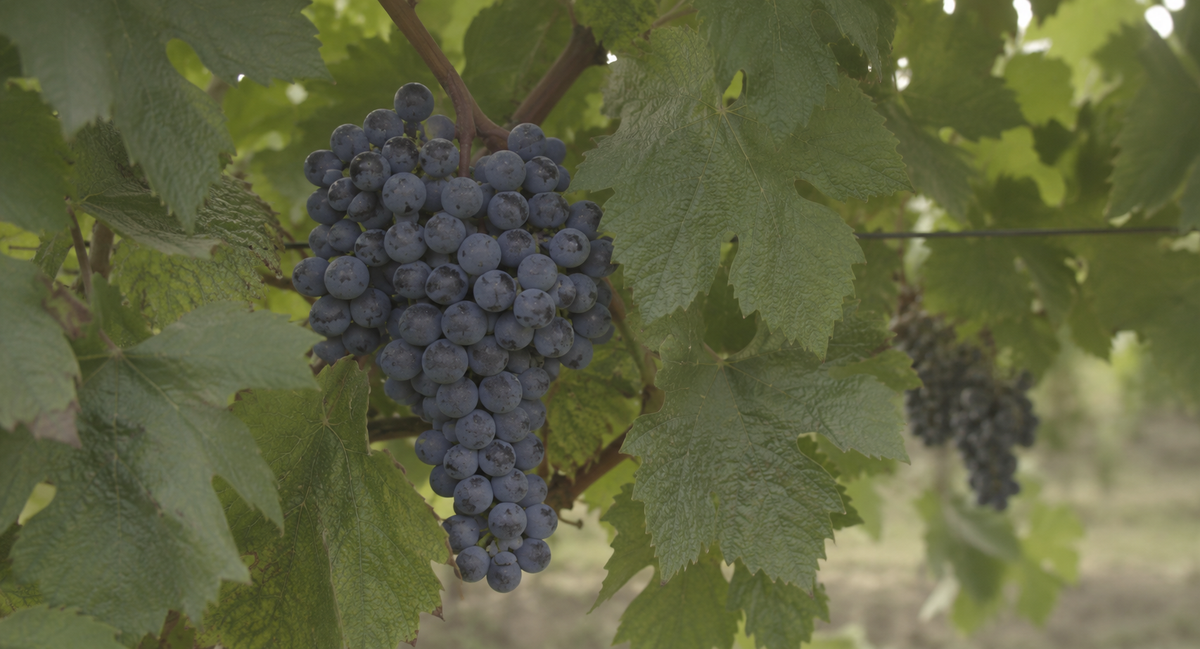
Chardonnay, pinot noir and pinot meunier are the varieties most closely associated with premium sparkling wine, and all have an established place in Western Australia's Great Southern.
The region's cooler vineyard sites allow fruit to retain freshness while developing flavour, creating a solid foundation for premium Great Southern sparkling wine. As elsewhere in Australia, winemakers can interpret that fruit in different ways, from bright, approachable styles to wines shaped by extended ageing and traditional method production.

Sparkling wine at Singlefile
Our own exploration of sparkling wine is a growing part of the Singlefile story, as we enter the first chapter in a considered longer-term sparkling program that has been more than a decade in the making.
Launching in September 2026, the program begins with the release of a new wine, our NV Singlefile Great Southern Chardonnay Pinot Noir. The wine is shaped around freshness and natural acidity, bringing together chardonnay and pinot noir grown in Denmark and Mount Barker. It is dry and vibrant, with citrus, apple and a fine, refreshing bead.
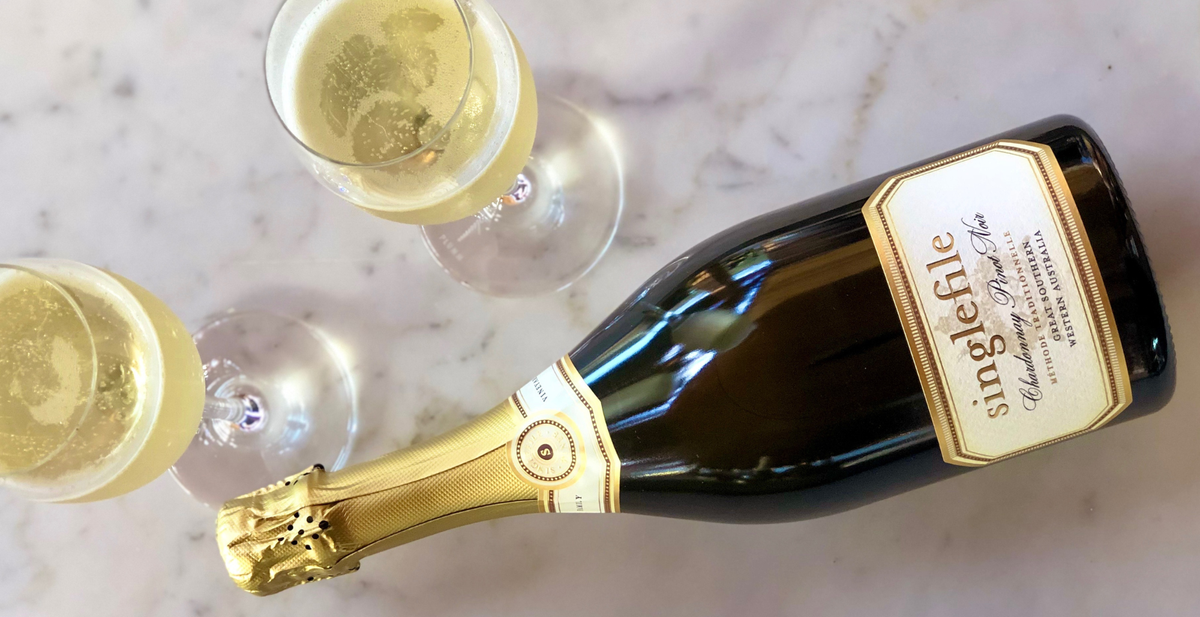
The new NV Singlefile Black Label Chardonnay Pinot Noir takes a different approach. Made using Méthode Traditionnelle, it brings together multiple vintages of chardonnay and pinot noir and spends more than four years on lees following secondary fermentation. The result shows how time and method can build additional texture and savoury complexity while retaining the freshness at the heart of the wine.
Together, the wines offer two perspectives on sparkling wine from the Great Southern. The collection is intended to grow to include further expressions, including a blanc de blancs and a sparkling pinot noir rosé.