


GREAT SOUTHERN SUBREGIONS
Mount Barker
Mount Barker

Mount Barker is where the Great Southern wine story begins. As the birthplace of viticulture in the region and the subregion from which the broader Great Southern wine region once took its name, Mount Barker holds both historical significance and contemporary relevance.
Mount Barker represents a vital intersection of legacy and innovation — home to some of the region’s most established vineyards, as well as a site of exciting experimentation with emerging Mediterranean varieties. Its terroir mirrors the broader Great Southern: complex, varied, and full of potential. While its wines can echo the power of Frankland River or the elegance of Porongurup, Mount Barker maintains its own identity — one defined by poise, structure, and diversity.
MOUNT BARKER
Terroir
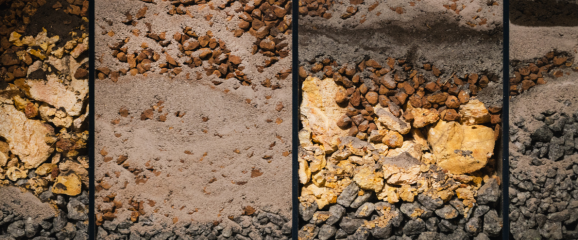
Soil
Ironstone gravels and sandy duplex profiles dominate, encouraging deep root penetration and delivering fruit with concentration, balance and complexity. The ancient granite of the nearby Porongurup Range adds a mineral edge to the wines grown within its influence.
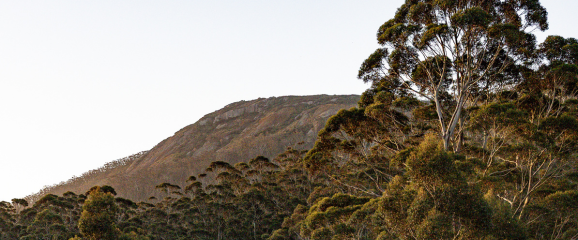
Elevation
Vineyards in Mount Barker sit between 180 and 250 metres above sea level. This elevation contributes to cooler temperatures and an extended ripening season, resulting in wines that reflect purity of fruit and refined varietal expression.
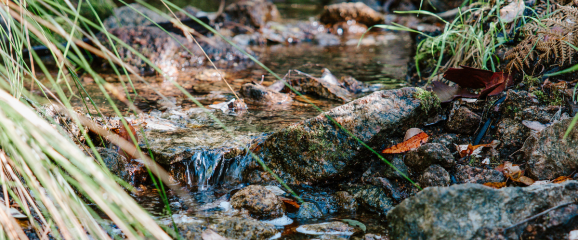
Rainfall
During the growing season, Mount Barker receives approximately 287 millimetres of rainfall. This consistent yet moderate rainfall supports healthy vine growth while allowing for the development of concentrated, balanced fruit.
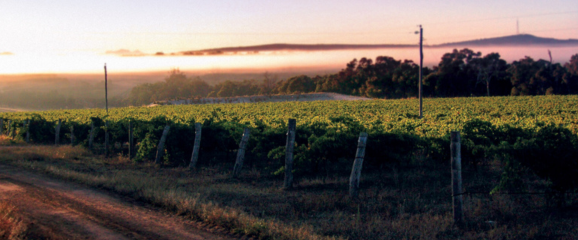
Climate
The subregion lies approximately 50 kilometres inland from the Southern Ocean, resulting in a predominantly continental climate tempered by occasional maritime influence. Mount Barker’s cooler average temperatures yield wines with refined fruit weight, savoury undertones, and structure.
Harvest
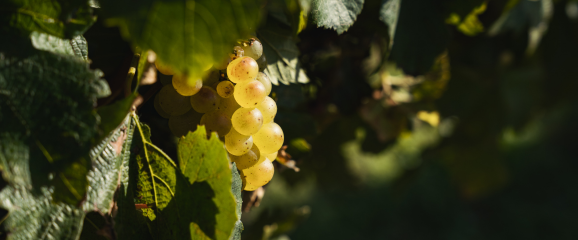
Harvest in Mount Barker typically occurs from early March to mid-April. This timeframe allows grapes to reach optimal ripeness, yielding wines that showcase the subregion’s hallmark balance, nuance, and finesse.
MOUNT BARKER
History

Mount Barker’s history began in 1829, just four years after the establishment of King George Sound at Albany. Named after Captain Collet Barker, the region was first settled by Sir Richard Spencer and later developed into a thriving agricultural district. By the early 20th century, Mount Barker had become Australia’s largest apple producer, with fruit shipped from Albany to international markets. The Mount Barker Co-operative, established in 1918, played a central role in the region’s fruit industry. Over time, transport and education evolved, and today Mount Barker remains a close-knit community with deep agricultural roots and a legacy of innovation and growth. Image from the State Library of Western Australia.

Mount Barker’s winemaking journey began in 1965, when Tony and Bette Pearse planted the first experimental vines, pioneering modern viticulture in Western Australia. As the first wine-producing subregion of the Great Southern, Mount Barker became a benchmark for cool-climate winemaking. Today, it is home to some of Western Australia’s oldest vines and most respected producers, including Plantagenet and Forest Hill Vineyard, renowned for their exceptional riesling, shiraz, and cabernet sauvignon.
OUR WINES
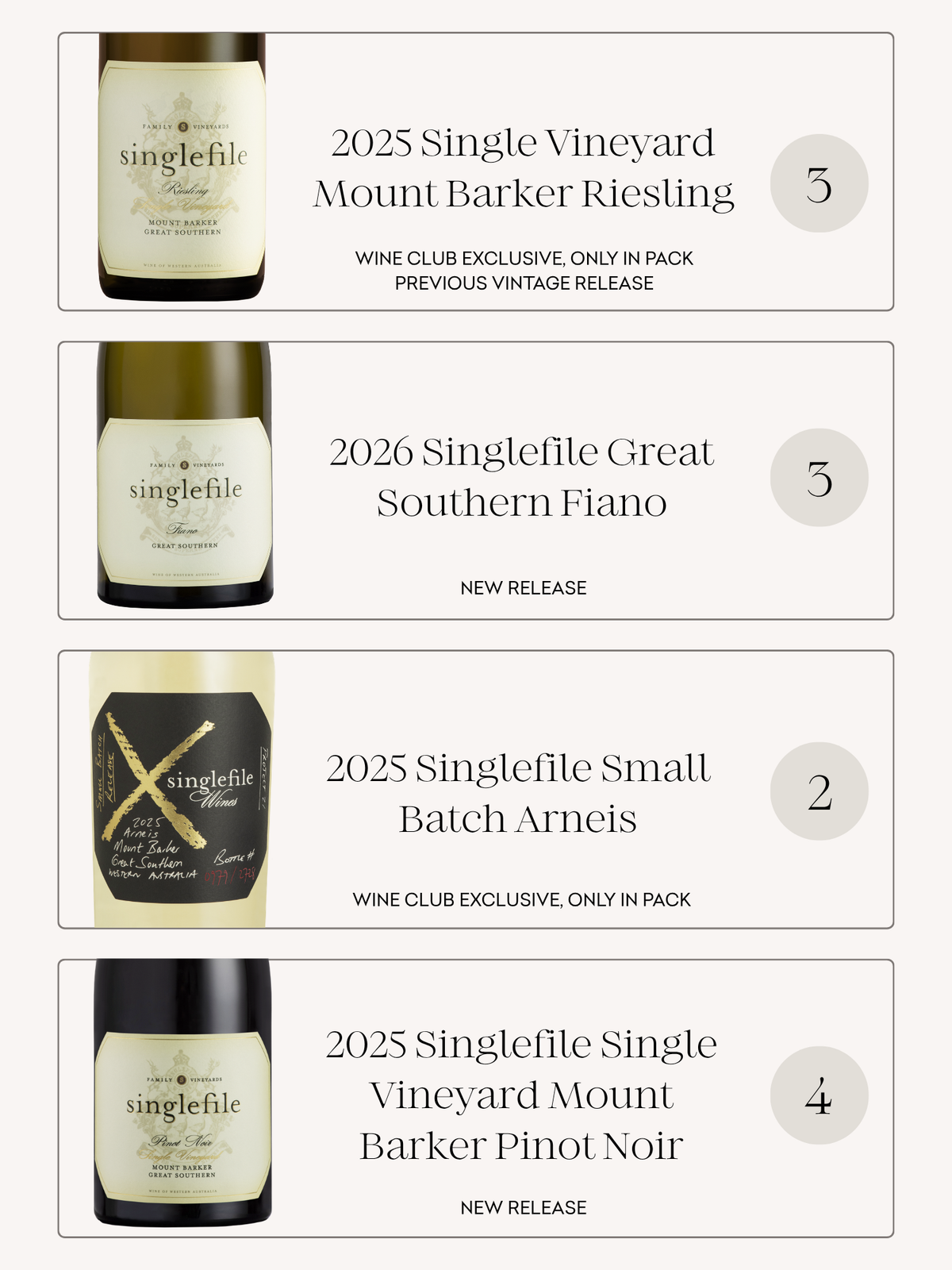
Mount Barker




Australia Wide Shipping

