


GREAT SOUTHERN SUBREGIONS
Albany
Albany

Cradled by the Southern Ocean, Albany is a maritime township with a rich heritage and a remarkable terroir. As one of Western Australia’s distinctive wine regions, its an ideal home for cool-climate varieties like aromatic sauvignon blanc, attracting visitors to explore its distinct Albany wineries.
As Western Australia’s oldest European settlement, Albany is more than a historic gateway — it’s a vital part of the Great Southern wine story. Officially recognised as a wine subregion in 1999, Albany may be modest in scale, with less than one square kilometre under vine, but its influence is undeniable.
ALBANY
Terroir
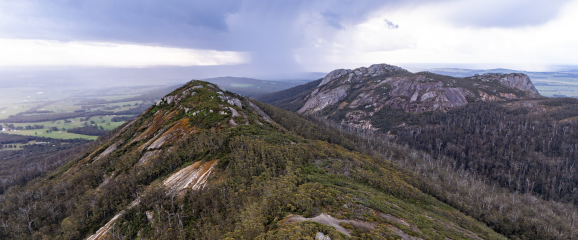
Size
Albany is a small yet significant subregion within the Great Southern. Its boutique scale, with less than one square kilometre under vine, contributes to the distinctive character and limited production of wines from this coastal area.
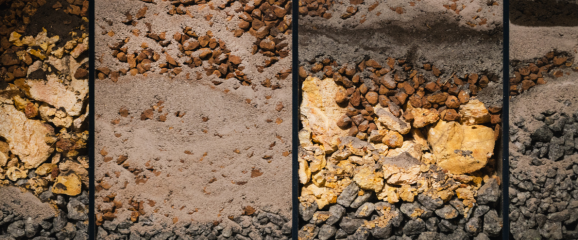
Soil
Albany’s terroir is profoundly influenced by its coastal location, with the Southern Ocean playing a vital role in shaping the region’s unique growing conditions. The landscape is characterised by gravelly lateritic soils, sandy loams, and granite outcrops. One of the defining features of Albany’s vineyards is the presence of ironstone gravel soils. Found on elevated sites, these well-draining soils support healthy vines and foster resilience.
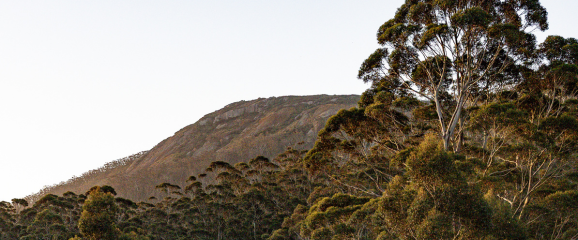
Elevation
Vineyards in Albany are situated between 50-100 metres above sea level. This modest elevation, combined with coastal influences, contributes to a cooler growing environment and extended ripening periods, allowing fruit to develop vibrant natural acidity and layered flavours.
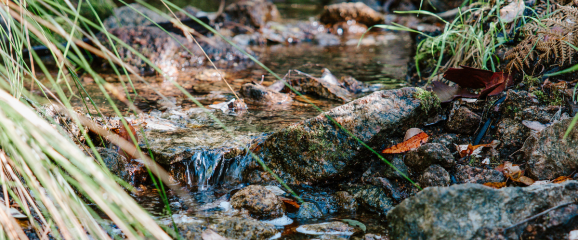
Rainfall
During the growing season, Albany receives approximately 303 millimetres of rainfall. This consistent moisture supports vine health and reduces reliance on irrigation, nurturing balanced growth while maintaining concentration in the grapes.
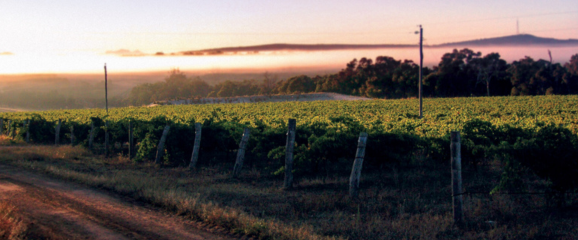
Climate
Cool, wet winters and warm, dry summers create ideal conditions for steady, even ripening. The ‘Albany Doctor’, a cooling sea breeze, arrives most afternoons, moderating temperatures and reducing vine stress. Combined with elevated humidity, this results in vibrant, balanced wines with finesse and structure.
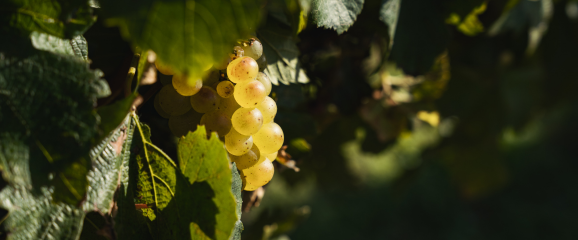
Harvest
Harvest in Albany typically occurs from early March through to late April. This extended window allows growers to pick at optimal ripeness, producing wines that reflect the region’s purity, freshness, and natural elegance.
ALBANY
History

Albany was first established in 1826 by Major Edmund Lockyer, who arrived aboard the Amity to set up a British military outpost. Officially recognised as a settlement in 1832, the coastal town soon welcomed settlers drawn to its temperate climate and rich, diverse soils — conditions well suited to familiar agricultural pursuits.
Over time, Albany has evolved through many chapters — from a strategic World War II base to a key port during the 1890s gold rush. Today, it remains a place of historical significance and natural beauty, attracting visitors year-round. Image from the State Library of Western Australia.

Viticulture in the Albany subregion began in the late 1970s with plantings near Redmond, followed by the establishment of Wignalls Wines just north of Albany in 1982. Officially recognised as a subregion of the Great Southern in 1999, Albany’s winegrowing identity is deeply tied to its coastal location. The maritime influence delivers cooling breezes that help produce elegant, cool-climate wines, reflective of both place and pioneering spirit.
OUR WINES FROM
Albany





Australia Wide Shipping

