A Glass With Ray Jordan: Four Decades of Western Australian Wine
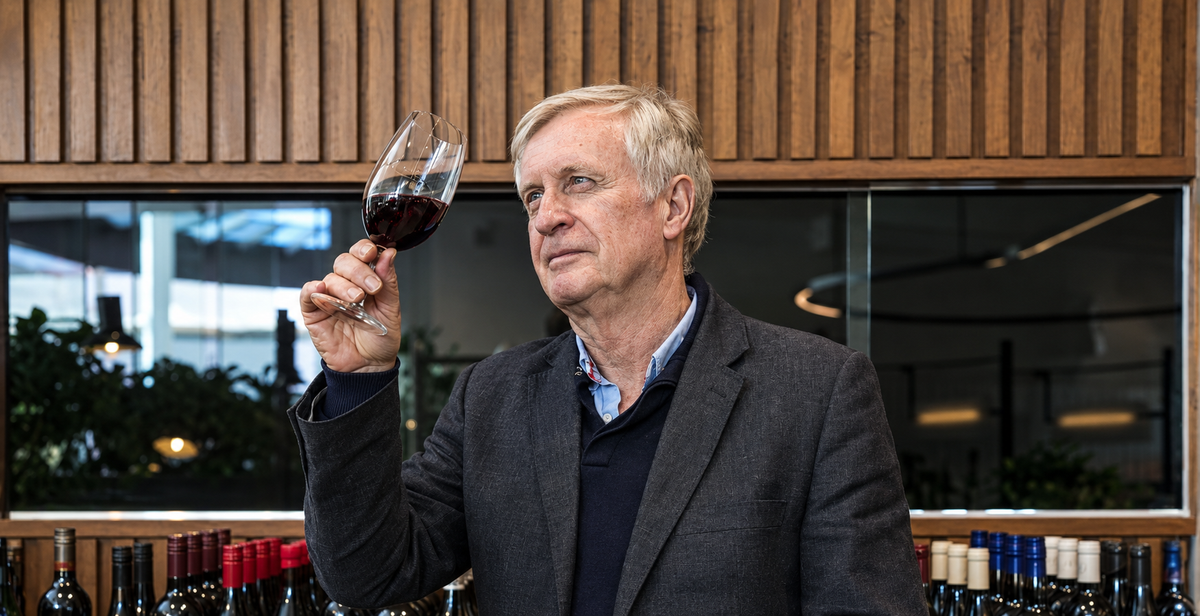
Ray Jordan is one of Western Australia’s most enduring voices in wine. Across more than four decades, his work has spanned newspaper journalism, wine criticism, authorship, wine show judging and regional commentary. His first wine articles appeared in the national magazine Winestate in the late 1970s, while he was working in Sydney as a correspondent for The West Australian. He would later become one of the state’s most recognisable wine writers, with a career closely tied to the development and recognition of Western Australian wine.
For many readers and producers, Ray’s name is also associated with the state’s annual wine guide. First published under The West Australian newspaper banner as the WA Wine Guide, the annual special became an important reference point for Western Australia’s producers, regions and benchmark wines. Since 2022, following Ray’s departure from the newspaper, it has continued independently as the WA Wine Review, which he now self-publishes.
His perspective carries weight born of decades of observing and chronicling the industry, its wines and its producers. From early tastings in Melbourne and Sydney to decades of columns, reviews and industry commentary, Ray has watched Western Australian wine move from promise to maturity.

From journalism to wine
Wine was not always central to Ray’s life. Before he moved to Melbourne in 1977 as correspondent for The West Australian, he describes himself as “largely a beer drinker,” with the occasional glass of sweet white wine.
That began to change in Melbourne, largely thanks to fellow journalist Paul Murray, who had been sent there to head the bureau, and would later become editor of The West Australian. Paul’s passion for wine led to him issuing Ray something of a challenge: “If you’re going to work in this bureau, you’d better learn to drink decent wine - particularly red wine.” Ray took up the gauntlet with enthusiasm.
The pair commenced a ritual of an informal blind tasting each afternoon before their shift began, each contributing a wine wrapped in a brown paper bag from their local bottle shops. This was a relaxed yet formative education - by the time Ray left Melbourne, he says, he had become reasonably good at identifying what was in his glass.
His wine knowledge accelerated further when he moved to Sydney as a correspondent. There, he joined the New South Wales Wine Press Club - now known as Wine Communicators of Australia - at a time when Len Evans, the Club’s patron, remained one of the towering figures of Australian wine. Around Evans were people who would go on to become legends in their own right, including James Halliday, John Parkinson and John Stanford.
“I mostly sat quietly and listened,” Ray says. “There was no better way to learn about wine than by listening to people who knew so much and were so generous with their knowledge.”
When Ray returned to Perth in the early 1980s, his career at The West Australian progressed through a series of senior editorial roles. Towards the end of that decade, he was asked whether he would like to co-write the newspaper’s wine column with Paul Murray. At first, having lost the ease developed through regular tastings, he was unsure whether he still had the confidence to write about wine. But the rhythm soon returned. Gradually, he assumed responsibility for the column and was eventually appointed the newspaper’s full-time wine writer.
“It wasn’t a sudden change from journalism to wine writing,” he explains. “It was a gradual transition from what I like to call ‘proper journalism’ into what became a lifelong passion.”
Watching Western Australian wine come of age
Ray’s shift into wine journalism coincided with one of the most important periods in the history of Western Australian wine. Ironically, he first began to appreciate the state’s wines while living in Melbourne, where early vintages from Moss Wood, Vasse Felix and Cape Mentelle were beginning to attract attention at tastings. Over more than four decades, he watched the industry grow from what he describes as relatively embryonic beginnings into one capable of producing some of the finest wines in the world.
Margaret River, he says, was the first great flagship region in Western Australia, and deservedly so. Its reputation was built on consistency, led in large part by cabernet sauvignon and reinforced by benchmark producers whose wines helped put the region on the national and international stage.
Ray also singles out the Swan Valley, historically significant as Western Australia’s oldest wine region with first vines planted in 1829, and one which he thinks is often underrated. “It has always been capable of producing excellent fruit,” Ray notes, “But advances in viticulture and winemaking over the past 30 or 40 years mean that quality is now consistently realised.”
Chardonnay, too, has undergone extraordinary evolution. While the Gingin clone helped establish Margaret River’s reputation, Ray points to today’s diversity of clones and winemaking styles as having taken Australian chardonnay to another level.
Across the state, he sees the most meaningful change as a combination of refined winemaking, major advances in viticulture and an uncompromising focus on fruit quality. Together, these have created a level of consistency that he believes few wine regions anywhere in the world can match.

The rise of the Frankland River wine region
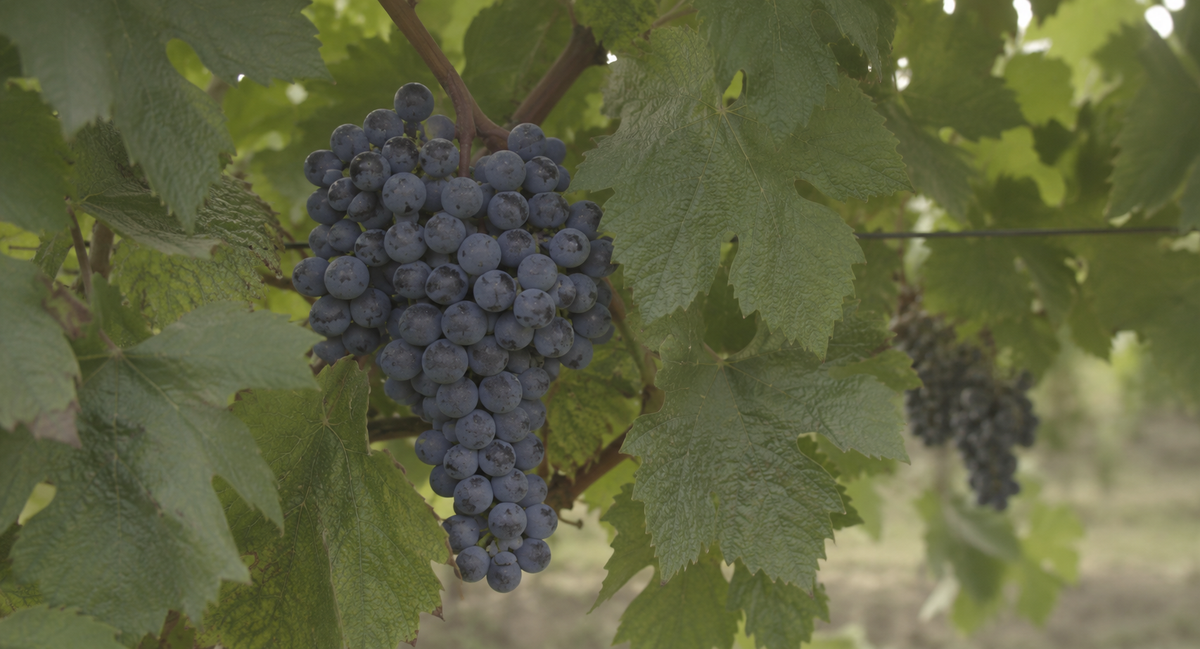
More recently, Ray has seen the broader Great Southern come into its own. Frankland River, in particular, has become one of the regions he regards as most exciting.
Riesling established its early reputation, while shiraz consistently showed promise. For many years, however, it lived in the shadow of Margaret River, much as the broader Great Southern did. Ray believes that is changing, and that Frankland River deserves greater recognition for its own distinct identity.
The Great Southern is a vast geographical area, and Ray notes that wines from each subregion can be dramatically different despite sharing the same broader regional designation.
“What I particularly enjoy about Frankland River shiraz is the influence of its soils,” he says. “In certain sites, the ironstone contributes a subtle, rusty-iron complexity that adds character without dominating the wine. The reds generally display wonderful softness, elegance and smoothness.”
He considers the whites equally impressive, with riesling remaining one of the region’s great strengths.
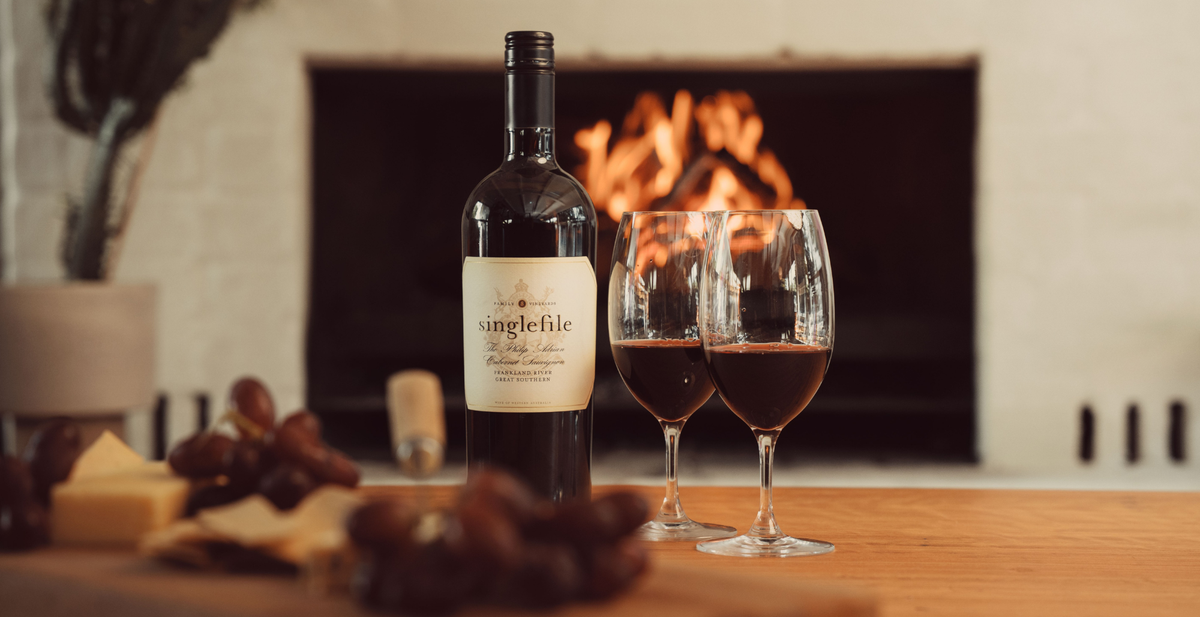
For Ray, Frankland River’s reputation is only likely to grow. He points to producers such as Cherubino, Swinney, Frankland Estate, Alkoomi and Ferngrove as evidence of the quality possible there, while also noting the role of wineries such as Singlefile in sourcing fruit from the region for premium wines.
Singlefile’s approach: reading a region through its wines
Ray has followed Singlefile from its early years, when much of the fruit came from relatively young estate vines. Even then, he says, the wines showed promise. Over time, what has stood out to him is the way the family has sought to match particular varieties and styles from across the Great Southern to the strengths of individual sites.
It is an approach that reflects the region itself: varied, expansive and capable of producing markedly different expressions. Rather than treating the Great Southern as a single idea, Ray sees value in recognising its individual places, from Frankland River to Denmark, Mount Barker, Albany and Porongurup.
“The quality has steadily improved over the years,” he says of Singlefile, “The presentation is excellent, the story is authentic, and the wines consistently perform well above their price points.”
For Ray, that confidence extends across a broad range of wines. He has long admired the shiraz and cabernet sauvignon, while the pinot noirs and Small Batch releases have also made an impression. “Perhaps that’s the highest compliment I can pay the winery,” he says. “Whenever I taste a Singlefile wine, I know I’m not going to be disappointed."

Ray Jordan, wine and the blues
Outside the formal setting of tasting benches and wine columns, Ray’s preferred soundtrack is almost always blues. His playlist begins with pioneers such as Robert Johnson and Blind Boy Fuller before moving through John Mayall’s Bluesbreakers, Peter Green and Stevie Ray Vaughan. One album he returns to often is Peter Green’s Fleetwood Mac, recorded before the band became the global phenomenon it later became. For Ray, the haunting instrumental Albatross has an almost hypnotic quality; the right atmosphere for quietly tasting and contemplating a fine wine.
Across his career, Ray Jordan has brought that same attentiveness to Western Australian wine. He has followed its regions, its producers and its changing ambitions not from a distance, but from within the conversation itself, as a journalist, critic, listener and long-term observer of the glass.
Image credit for header image: The West Australian