How to Get the Most Out of a Trip to Western Australia’s Great Southern
Planning a trip to the Great Southern region of Western Australia
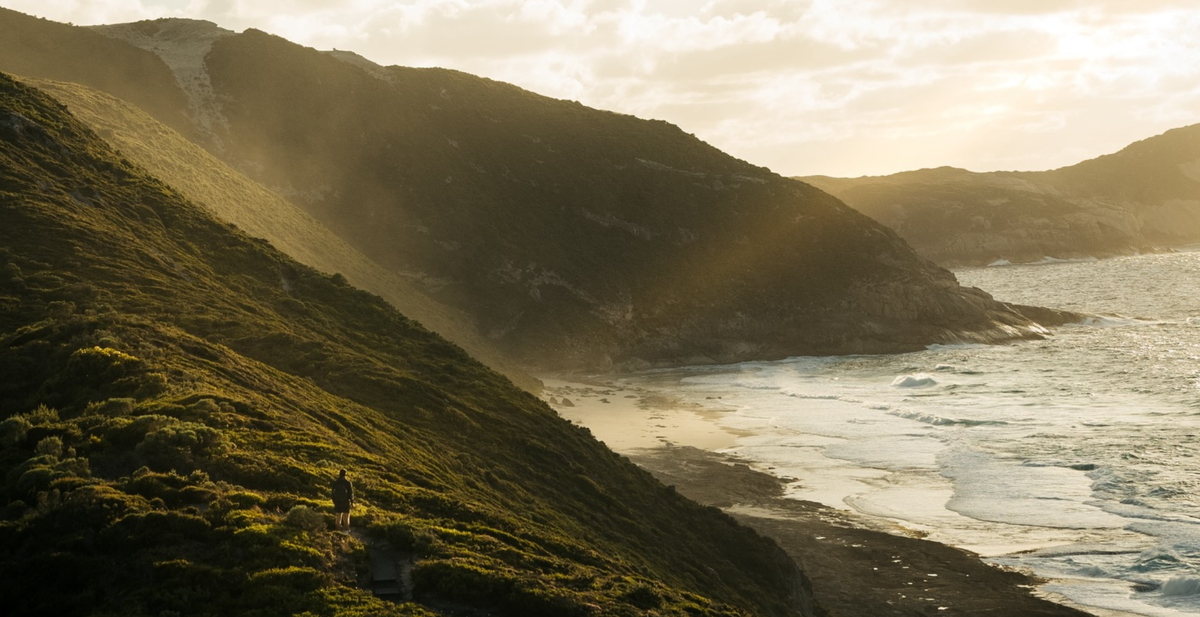
The Great Southern region of Western Australia is the kind of place that rewards slowing down. Stretching from dramatic Southern Ocean coastline to forested valleys, granite peaks, rolling vineyards and quiet country towns, it is one of the state’s most generous travel regions, and still feels quietly under-discovered.
You can spend the morning walking above wild seas in Albany, the afternoon exploring cellar doors and country towns around Mount Barker or Denmark, and the next day wandering through Porongurup forest trails or heading inland to the vineyards and open landscapes of Frankland River. It is also a region that works beautifully across seasons. Summer brings beach days and long lunches, while winter offers moody coastal drama, cosy cellar doors, forest walks and fewer crowds.
This guide is designed as a practical starting point for planning a Great Southern itinerary, with suggested stops across Albany, Denmark, Mount Barker, Frankland River and Porongurup.

Albany
Albany is often the natural starting point for a Great Southern trip, and it makes a compelling first impression. Set around King George Sound, it combines coastal charm, rich history, excellent dining and easy access to surrounding national parks.
Things to do in Albany
Start with Albany’s heritage. The National Anzac Centre is one of the region’s most significant cultural attractions, offering an immersive look at the stories connected to the First World War convoys that departed from Albany. Nearby, the Mount Clarence trail and lookout add sweeping views over the sound.
For a different side of Albany’s history, Albany’s Historic Whaling Station is worth adding to the itinerary. It is an engaging stop for visitors interested in maritime history, and the surrounding coastline makes the drive out worthwhile.
Leave time, too, for Albany’s town centre. A gentle wander along York Street is a lovely way to get a feel for the city, with boutiques, cafés and historic streetscapes. Start at Stamm’s Emporium and explore their selection of jewellery, homewares and fashion, then make your way down York Street, stopping wherever catches your eye.
If you are in Albany on a Saturday morning, the Albany Farmers Market is well worth building into the day. Held in the Albany town centre from 8am to noon, it is a great place to pick up local produce, chat with growers and stock up on picnic supplies before heading out to explore the region.
Albany is also a strong base for walkers. For trip planning, Trails WA is a useful resource for hikes throughout the region, whether you want a short coastal walk or a longer national park trail.
Food and wine in Albany
Albany’s food scene has plenty of personality, with options that range from relaxed beachside breakfasts to atmospheric dinners and wine tastings.
Liberté is a standout for travellers looking for a memorable dinner or cocktail stop, combining French-Vietnamese influence with a playful yet sophisticated atmosphere. It is a great option for a grown-up evening out after a day exploring the coast.
Wine lovers should look to Oranje Tractor Wine, with tastings available by appointment. Riesling and pinot noir are standouts. Claire from our Perth team highly recommends the guided five wine tasting flight, an informative and relaxed experience in their charming tasting room.
In town, Majuba is a polished choice for food, offering classic European dining, while Bred Co is a must-visit for exceptional sourdough from locally milled grain, baked goods and coffee. For something more casual by the water, Emu Point Café is a reliable local favourite for breakfast or lunch, suitable for families and offering lovely views out over the coast.
Natural attractions around Albany
The Gap and Natural Bridge in Torndirrup National Park is an essential Albany experience. The viewing platform at The Gap sits above a powerful channel carved into the granite, with a striking view of the water below. The experience is different from day to day, from hypnotic swells of waves to buffeting rushes of sea spray on wilder weather days. The view is impressive year-round, but winter can be especially dramatic.

Other natural highlights around Albany include Frenchman Bay, Misery Beach, the Blowholes, Bald Head and the beaches around Emu Point and Middleton Beach. Travellers will find plenty of natural beauty to linger over.
Exploring Albany with children
Albany is a practical base for families, combining nature, history and easy-access attractions.
For a more hands-on introduction to local history, the Museum of the Great Southern and the Brig Amity are both strong additions to a family itinerary. The Brig Amity is particularly memorable for children, with ladders to climb and below-deck spaces to explore in this replica convict ship.
When the weather is clear, Middleton Beach is one of the easiest family-friendly places to spend time. The Ellen Cove boardwalk is manageable and scenic, and the nearby playground gives younger children a place to burn off energy. Eyre Park is another useful playground stop for families.
Denmark
Denmark is one of the Great Southern’s most beloved holiday towns, known for its beaches, forests, food producers and relaxed charm. It is a place where you can move easily between coastal walks, food and wine experiences, and family-friendly adventures.
Things to do in Denmark WA
A Denmark itinerary should leave room for both the coast and the forest. The Monkey Rock trail is a rewarding walk for visitors who want a short adventure with big views, while the town and surrounding countryside are dotted with places to browse, eat and explore.
Food and wine lovers can also use the Denmark Food & Wine Trail as an easy half-day touring route by road. It is a practical way to connect cellar doors, producers and local flavours without overcomplicating the itinerary.
For visitors looking to add a little more energy to the day, Denmark Thrills Adventure Park offers a change of pace with globeriding, or zorbing, experiences, including a large globeriding track. This is especially suited for families travelling with older children.

Denmark food and wine
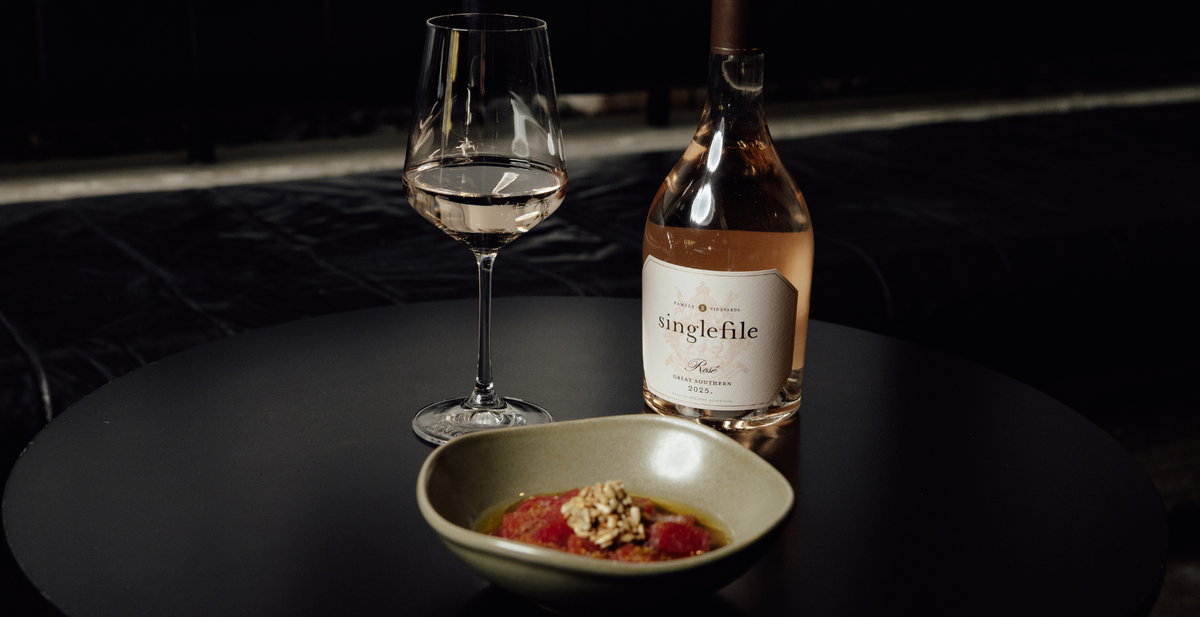
Denmark is home to an array of wineries, cellar doors, cafés and casual dining options, including Singlefile’s Cellar Door and our estate pinot noir and chardonnay vineyards. The Lake House offers another relaxed wine experience close to town, and Harewood Estate is another worthwhile cellar door inclusion. Visitors specifically looking for Denmark wineries should expect refined cool-climate wine styles, beautiful vineyard settings and a relaxed pace compared with larger wine regions.
Pepper & Salt, located at Forest Hill Winery, is a must-include for a polished regional dining experience. Visit for lunch, then head downstairs for a wine tasting in the cellar door.
In the town centre, the Denmark Hotel is a relaxed spot for a classic pub meal, while Kindfolk is a great spot to pop in for coffee and cake beside the Denmark River. Mrs Jones is a warm and inviting space for brunch or a relaxed daytime meal. The Dam, about a ten-minute drive out of Denmark, adds another destination-style venue to the mix, pairing fresh local produce, great drinks and a scenic setting alongside a playground for families.
For something sweet, Dark Side Chocolates is an easy addition to a food-focused day out. Pick up a couple of truffles to enjoy on your travels, or take home carefully packaged boxes for a thoughtful gift.
Natural attractions around Denmark
Greens Pool and Elephant Rocks within William Bay National Park are Denmark icons for good reason, known for their calm, protected turquoise waters and striking granite formations. Even in winter, when it may be too cold to swim, the colours, rocky landscapes and moody skies make the area spectacular for walking, photography and simply taking in the view.

Beyond the coast, Denmark’s forested landscapes are a major part of its appeal. A day here can move easily from ocean views to tall karri trees, quiet rivers and rolling farmland, which is why Denmark is such a rewarding base for visitors.
Exploring Denmark with children
Denmark is another ideal Great Southern base for families. Denmark Animal Farm & Pentland Alpaca Stud is a hands-on favourite where children can meet and feed farm animals, including alpacas, goats and highland cows.
Berridge Park is a great family park and playground along the river, with construction of a new nature playground and skatepark scheduled to commence in late 2026. Starting in the park, the Denmark Fairy Doors walk is an easy and attractive family walking trail that adds a sense of magic to a gentle wander.
The beauty of Denmark for families is that activities do not need to be complicated. A day can include a short walk, a bakery or chocolate stop, a beach lookout and a relaxed early dinner, with plenty of flexibility for weather and energy levels.
Nearby Walpole
Walpole is around a 40-minute drive from Denmark, about 60 kilometres away, making it a natural day trip if you are using Denmark as a base. The Valley of the Giants Tree Top Walk is the headline attraction, taking visitors high into the canopy of the ancient tingle forest. It is a memorable experience for adults and children alike, and it pairs beautifully with ground-level forest walks.
WOW Wilderness Tours is highly recommended, exploring the waterways of the Walpole and Nornalup Inlets Marine Park. This is a favourite for Singlefile co-founder Patrick Corbett, who says: “Gary provides a really interesting and entertaining tour. I enjoy it so much, I try to go every year.”
Mount Barker
Mount Barker is a natural stop for wine lovers and a useful inland base for exploring the wider region. It has a quieter feel than Albany or Denmark, but is meaningful as the historic birthplace of the Great Southern wine region.

Things to do in Mount Barker
Mount Barker is well suited to travellers who like scenic drives, cellar doors and country-town pacing. It is also a practical base for exploring nearby Porongurup National Park and the Stirling Range, both of which offer some of the region’s most memorable landscapes.
In town, look for local heritage, galleries, produce and picnic supplies before heading out into the surrounding vineyards. The Mount Barker Wine & Food Trail is a useful framework for planning a day of tastings and regional flavours.
Food and wine in Mount Barker
Mount Barker has an established reputation for cool-climate wines. It is the Great Southern’s foundational wine area, with a long history of viticulture and some of the region’s best-known producers.
Plantagenet is a key name to include in a Mount Barker wine itinerary, offering visitors a direct connection to the region’s wine heritage. Galafrey Wines is another worthwhile stop for those interested in family-run, cool-climate producers. The appeal is not only the wine but the sense of place: gravelly soils, big skies, old vineyards and cellar doors that feel connected to the landscape around them.
For something casual, Mount Barker Country Bakery is a favourite stop for anyone travelling through the Great Southern. Get a coffee and one of their excellent house-made pies for a classic road-trip meal, and take some pastries home with you for later.
Natural attractions around Mount Barker
Mount Barker offers easy access to two of the Great Southern’s most impressive inland landscapes: the Porongurup Range and the Stirling Range. Mondurup Reserve is another local natural attraction worth considering, particularly for visitors interested in wildflowers, gentle walks and a quieter nature experience close to town.
Even without a major hike, the drives around Mount Barker can be beautiful, especially in the softer light of morning or late afternoon.
Exploring Mount Barker with children
For families, Mount Barker is best approached as a gentle country base rather than a packed attraction hub. Choose short walks, scenic drives, picnic stops and relaxed cellar doors where children have space to stretch their legs.
Wilson Park Nature Playground is a helpful stop for younger travellers, giving families an easy place to pause between drives, tastings and sightseeing.
Frankland River
Frankland River is one of the Great Southern’s most rewarding detours for wine-focused travellers. It is quieter and more remote than the coastal towns, but that is part of its appeal.
Things to do in Frankland River
A visit to Frankland River is about slowing down and appreciating the inland landscape: rolling farmland, vineyards, olive groves and open skies. It suits travellers who enjoy scenic drives, cellar door appointments and a less crowded experience.
Consider building Frankland River into a broader loop between Mount Barker, Walpole or Denmark.

Food and wine in Frankland River
Frankland River is best known for its wineries, with a reputation that extends well beyond Western Australia. The subregion’s inland setting, cool nights and long ripening conditions help shape wines with freshness, structure and depth.
Frankland Estate is an essential inclusion, especially for riesling lovers. Visits are by appointment, so plan ahead and make the cellar door part of a day trip. You could pair it with a visit to Lange Estate’s tasting room, open by appointment.
Natural attractions around Frankland River
Frankland River’s beauty is quieter than the coast but no less appealing. Expect pastoral views, river systems and spring wildflowers in season. It is a good reminder that the Great Southern is not only about beaches and granite cliffs; its inland areas offer their own charm.
Lake Poorrarecup is popular for swimming in the summer months, as well as a great stop to explore spring wildflowers surrounding the lake. Nearby Lake Unicup, part of the Unicup Nature Reserve, offers opportunities for wildflower spotting, kayaking and bird watching.
The Frankland River Wildflower Walk is a lovely way to experience the area on foot. Starting at the end of Herbert Street, it is especially rewarding in spring, although various blooms can appear from June through to December.
Exploring Frankland River with children
The Frankland River Community Playground is a useful local stop, with both a nature play playground space and a pump track for children who need to stretch their legs between stops.

Porongurup
Porongurup may be compact, but it delivers some of the Great Southern’s most memorable experiences: ancient granite, forested trails, boutique wineries and one of Western Australia’s most distinctive summit walks.
Things to do in Porongurup
Castle Rock and Granite Skywalk is a key attraction in Porongurup. The walk to the skywalk is short but steep and requires a reasonable level of fitness, but it rewards visitors with striking granite formations, lush forest and expansive views across the surrounding landscape. The final section includes a scramble and ladder-style climb, so it is best suited to confident walkers.
For those wanting something gentler, Porongurup National Park also offers other walks, picnic areas and scenic drives. It is a place to take slowly, especially if you want to enjoy the forest atmosphere rather than simply tick off the summit.
Food and wine in Porongurup
Porongurup is small but rewarding for food and wine. The area is known for boutique cellar doors and cool-climate wines, with riesling a particular strength across this part of the Great Southern.
Castle Rock Estate and Duke’s Vineyard are both family-owned boutique Porongurup wineries showcasing the subregion’s hero varieties. Enjoy the views over the vineyards and the Stirling Ranges during a relaxed wine tasting.
Maleeya’s Thai is a local dining icon and a memorable stop after a walk or wine tasting. With dinner typically available on Friday and Saturday and lunch on Saturday and Sunday, it is worth checking opening times and booking ahead where possible.
Natural attractions around Porongurup
Porongurup National Park is the main event. The range is ancient, atmospheric and rich with mossy granite, karri forest, wildflowers and birdlife. The park offers numerous hikes to explore, with Nancy Peak and Devil’s Slide Trail excellent alternatives beyond exploring the Castle Rock trail. They offer a different perspective on the range with stunning views from the summits.

The ancient and rugged forest and granite landscape gives Porongurup a very different feel from Albany’s coastline or Denmark’s beaches.
Exploring Porongurup with children
Porongurup can be excellent for adventurous families, but the walks are not suitable for every child. Families with younger children may prefer lower-level trails, picnic areas and scenic drives through the national park.
Final tips for planning a Great Southern trip
The Great Southern is larger and more varied than many visitors expect, so avoid trying to do everything in one short stay. Albany and Denmark make excellent coastal bases, while Mount Barker, Frankland River and Porongurup reward travellers seeking wine experiences, hiking and country landscapes.
Conditions can change quickly on the south coast and in the ranges, so always check weather, park alerts and trail information before heading out. Opening hours for regional restaurants, cellar doors and attractions can also vary by season, particularly in winter, so it is worth confirming details before travelling.
Most importantly, leave space in the itinerary. The Great Southern is at its best when there is time for a second coffee, a spontaneous stop, a beach walk in winter light or a detour down a forest road. Plan well, but leave yourself space to explore slowly — this is a region made for wandering.